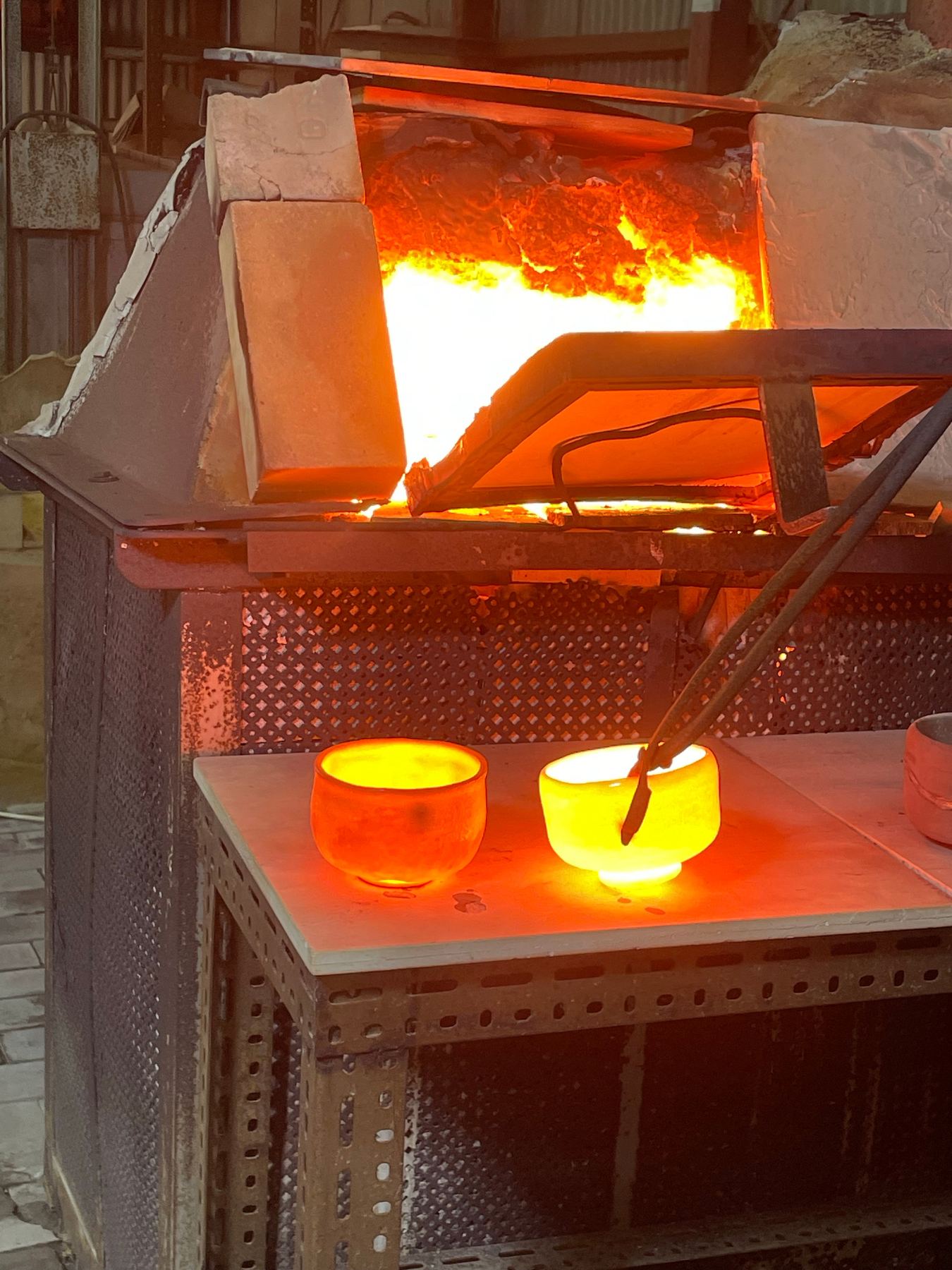
Two Raku bowls glowing orange beside the open kiln, one held in iron tongs

At the kiln, Katsura-gama, Kyoto

Katsura-gama

Raku tea bowls from Kyoto

There is one of each design, and each is for sale, at 330 €.

Tea bowl exhibition · Kissabō, Berlinfrom 15 November 2026

01The exhibition

On the shelf
at Kissabō.

Raku ware was born in Kyoto in the sixteenth century, for the Way of Tea.

330 €a bowl, including German VAT

The bowls were made in the Katsura-gama workshop under the direction of Rumi Higaki. From 15 November they are on our shelf, where they can be picked up and held. Each comes in its paulownia box, inscribed by Rumi Higaki, and each is for sale. There is one of each design, and guests of the morning choose first.

FromSunday 15 November 2026, 14:00
WhereOn the shelf at Kissabō, Kopenhagener Str. 16, Berlin — map
Price330 € a bowl, including German VAT · at the counter, or by writing to info@kissabo.com
CatalogueTen of the bowls, the kiln and its family, 92 pages · PDF, 11 MB
HoursWednesday to Sunday, 14:00–18:00 · walk in, no booking
ClosedWednesday 18 November · 23 December – 1 January
First morningStill Hours with Rumi Higaki, Sunday 15 November, 10:00–12:00 · ten seats, 49 €, booked ahead
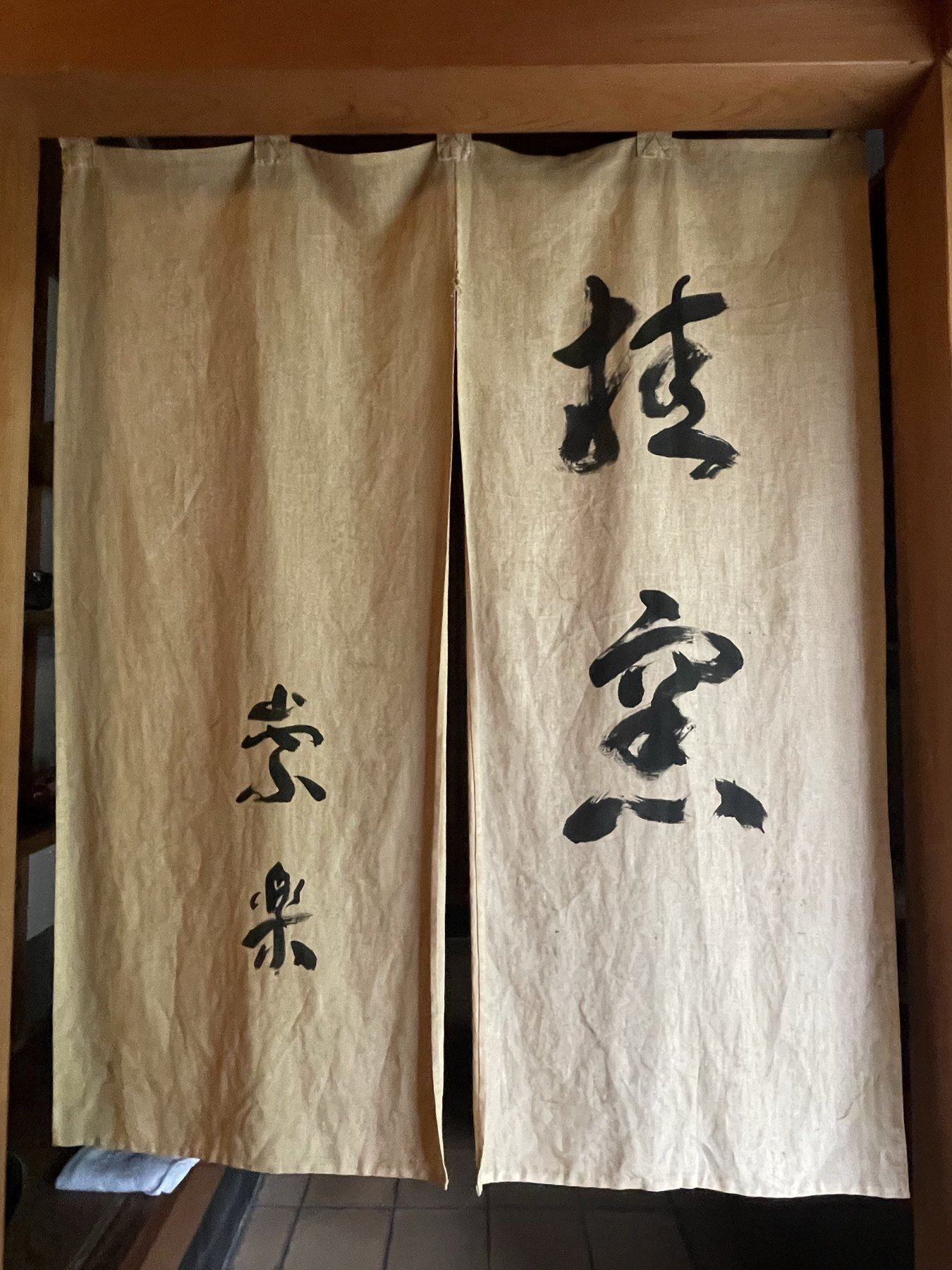
The curtain at the door of Katsura-gama, written with the kiln's name

The curtain at the door: 桂窯, Katsura-gama, and 崇楽, Sōraku.

02The kiln

A kiln that began
with braziers

Founded by a maker of the clay braziers a tea kettle sits on.

Katsura-gama is a Raku kiln in Nishikyō-ku, on the western edge of Kyoto, run by the Higaki family. Its founder came from Awaji Island and made decorative roof tiles for shrines; with the same technique he went on to make clay braziers, the kind a kettle sits on in a tea room, and that was how the kiln began.

Its bowls are made for tea: each begins as a ball of clay, is shaped by hand and carved thin, then fired in the Raku way.

03The workshop

Made by hand,
one at a time

The bowls are shaped entirely by hand, with no potter’s wheel and no mould. The clay is pressed open and raised on a small turning table and left to stiffen. The wall is pared thin with a steel blade, and the foot is cut. The bowl is dried and given a first firing, then painted where it carries a design, and glazed.

1Each bowl begins as a ball of clay.
2The wall is pared thin with a steel blade.
3Each bowl is fired in the Raku way, on its own or with a few others.
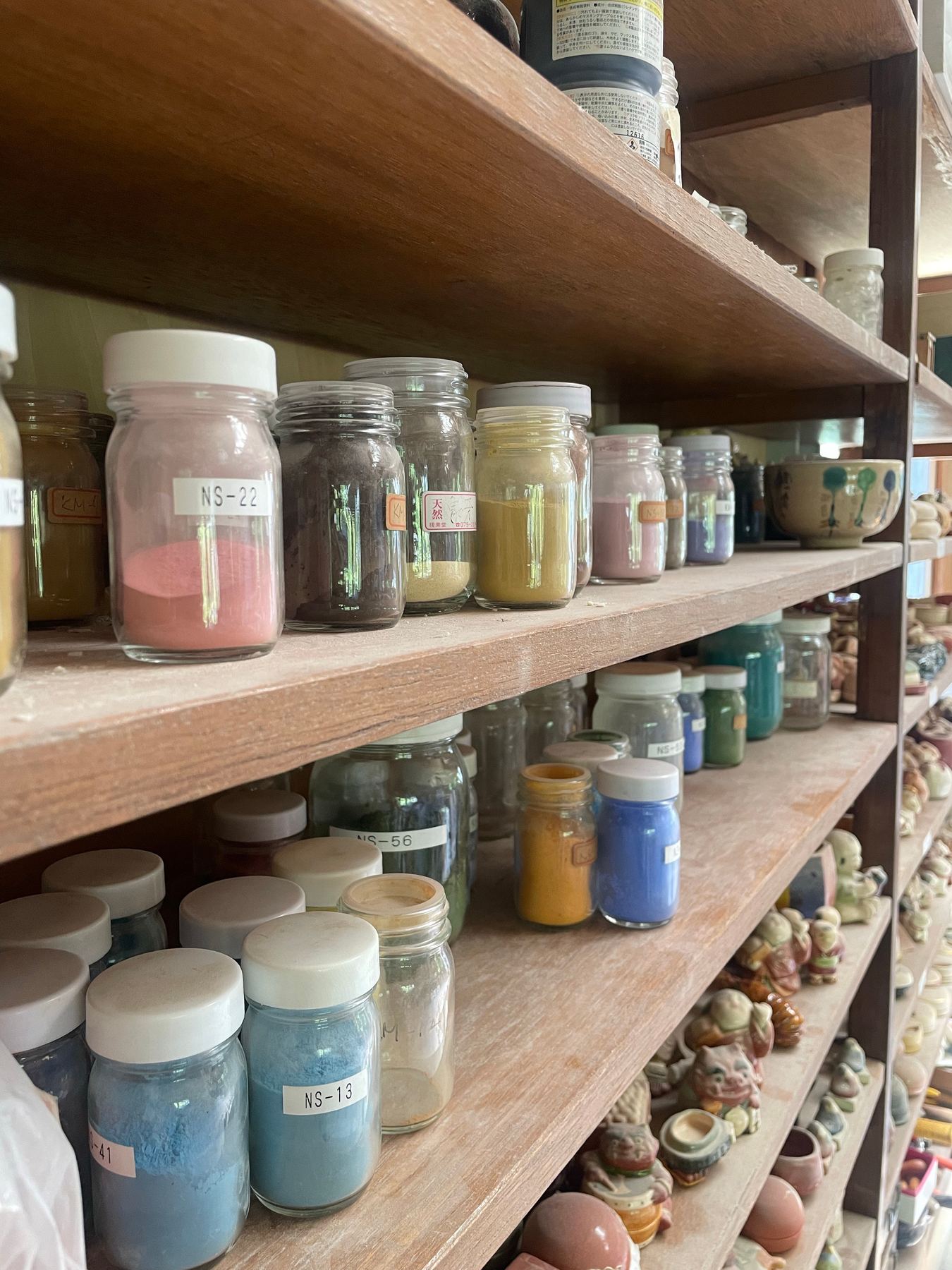
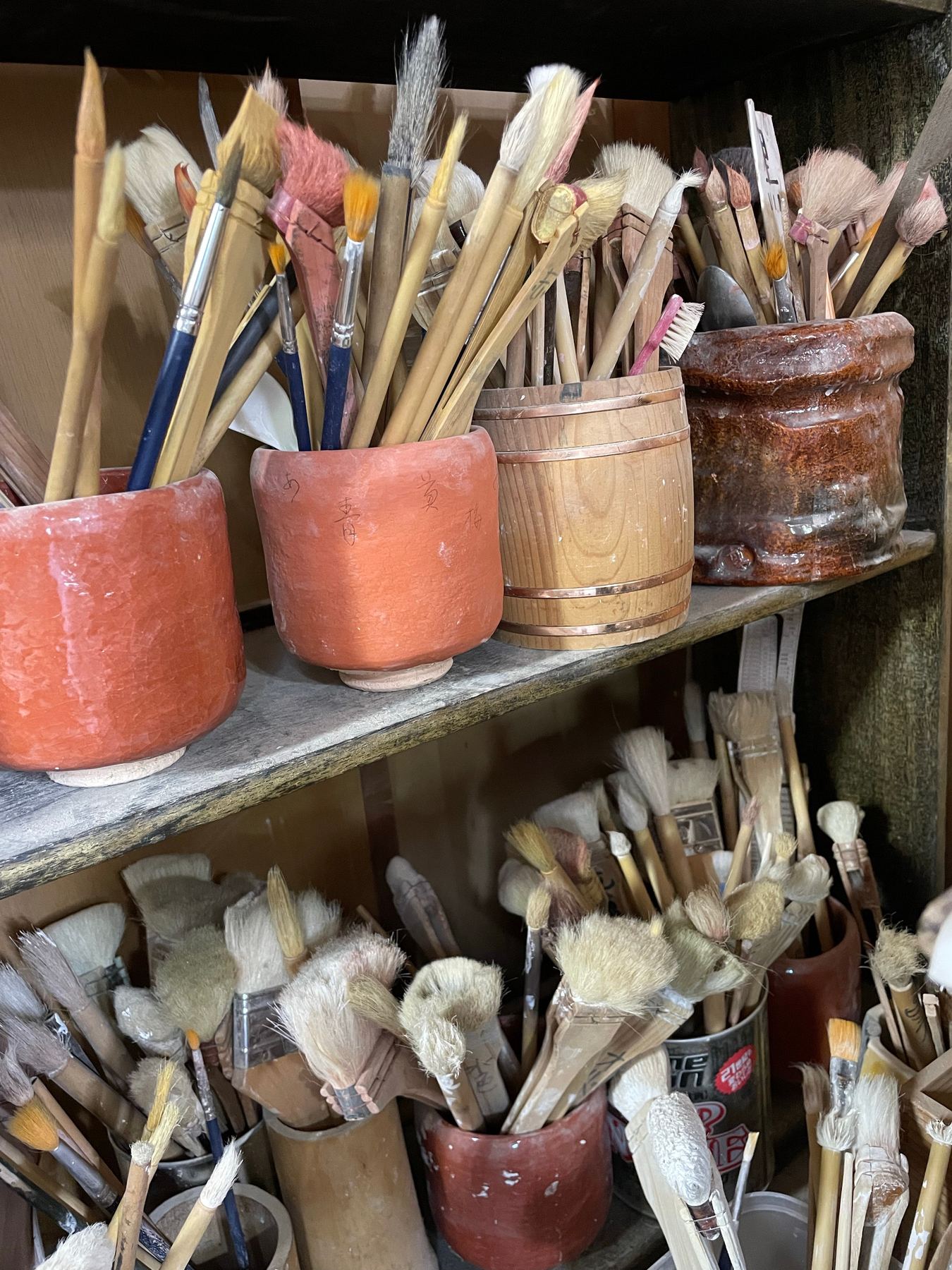
Shelves of glazes and pigments in numbered jars at Katsura-gama Brushes in pots on a shelf in the workshop, a toothbrush among them
LeftGlazes and pigments, kept as powder in numbered jars. RightBrushes, and a toothbrush.
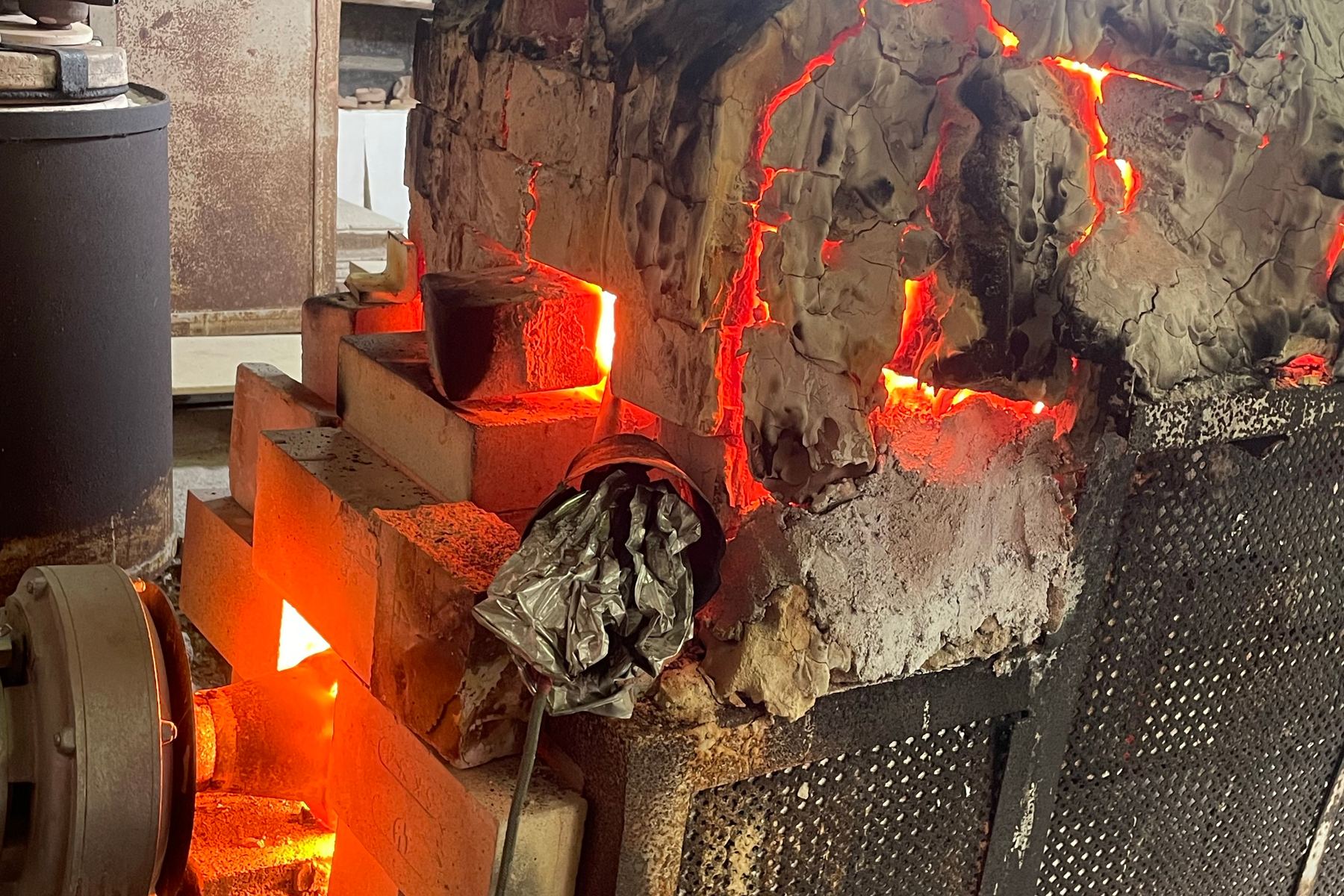
The Raku kiln at Katsura-gama, glowing through cracks in its clay wall
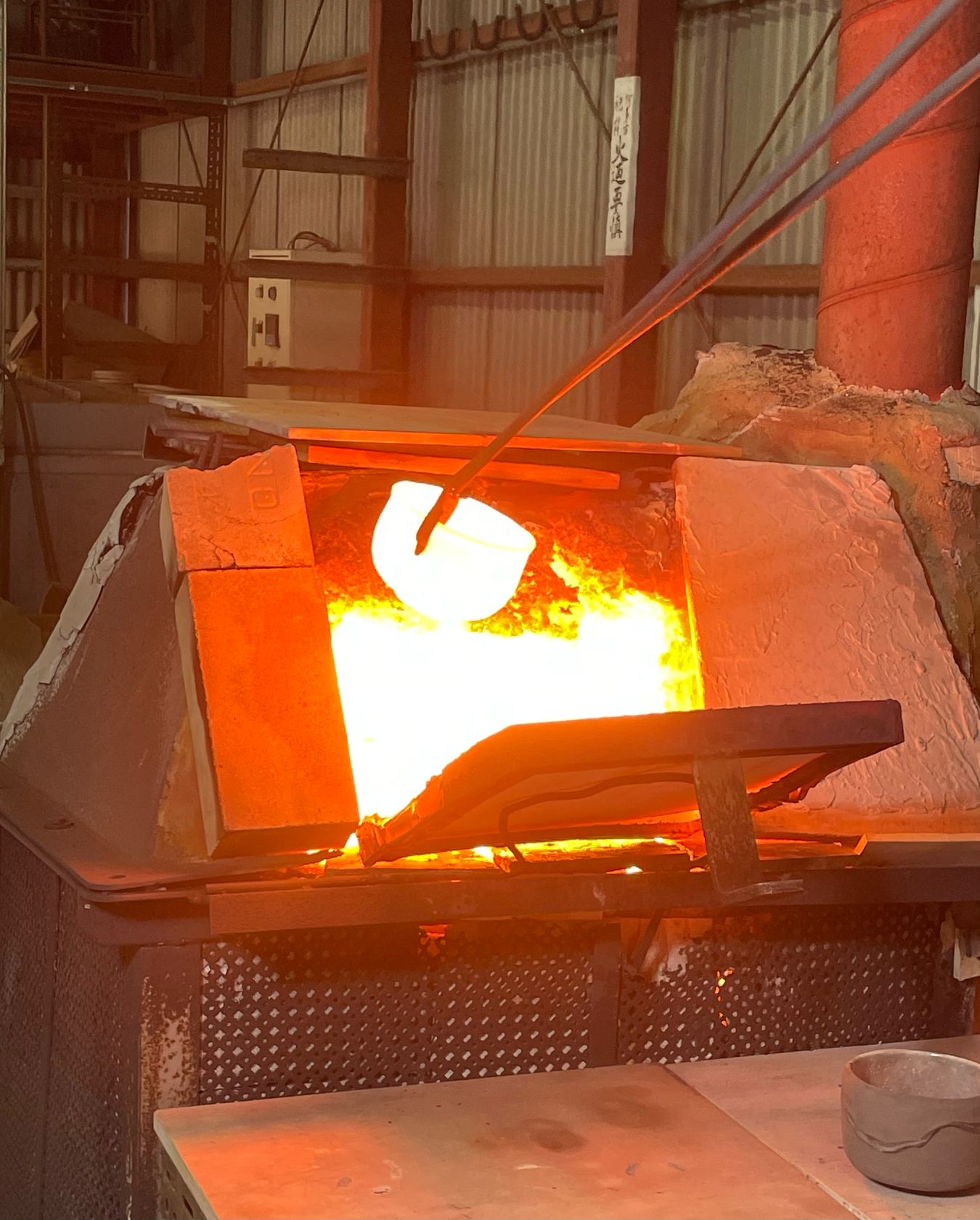
A tea bowl, glowing white, drawn from the open kiln at Katsura-gama with long iron tongs; on a post behind, a paper charm
The firing

Drawn from the
kiln with tongs,
while it still glows.

On a steel post at the front of the kiln shed, a paper charm from Atago Shrine: 火迺要慎, take care with fire.

04The bowls

Tea bowls from
the workshop

One bowl of each design.

Ten of the bowls are shown here; Rumi Higaki brings one more with her on 15 November. The lines in italics are the kiln’s own. The season is our suggestion: in Japanese tea, a host chooses a bowl for the time of year and the occasion, often by its picture or its shape. Where it says any season, nothing on the bowl ties it to one.

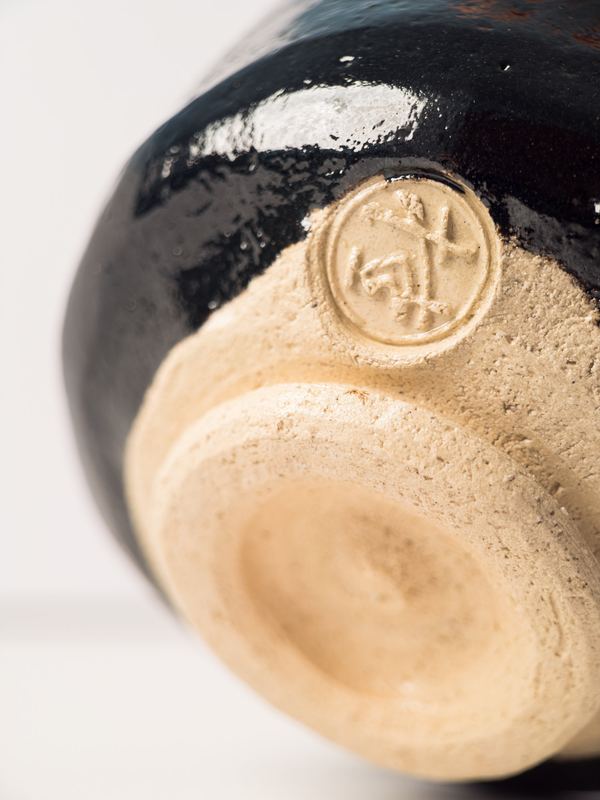
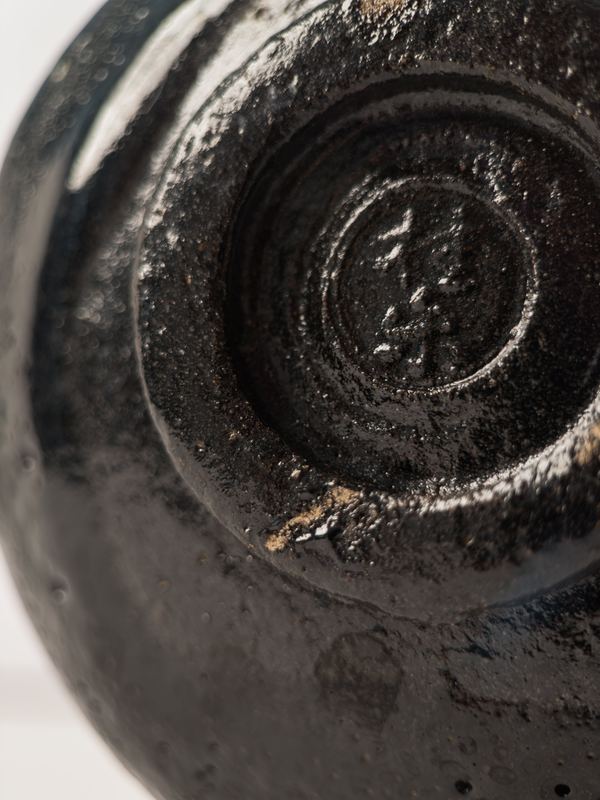
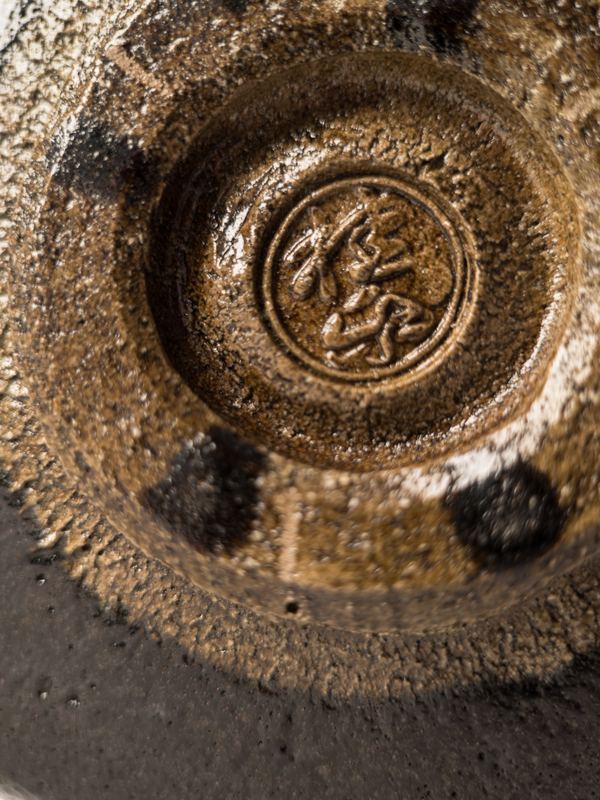
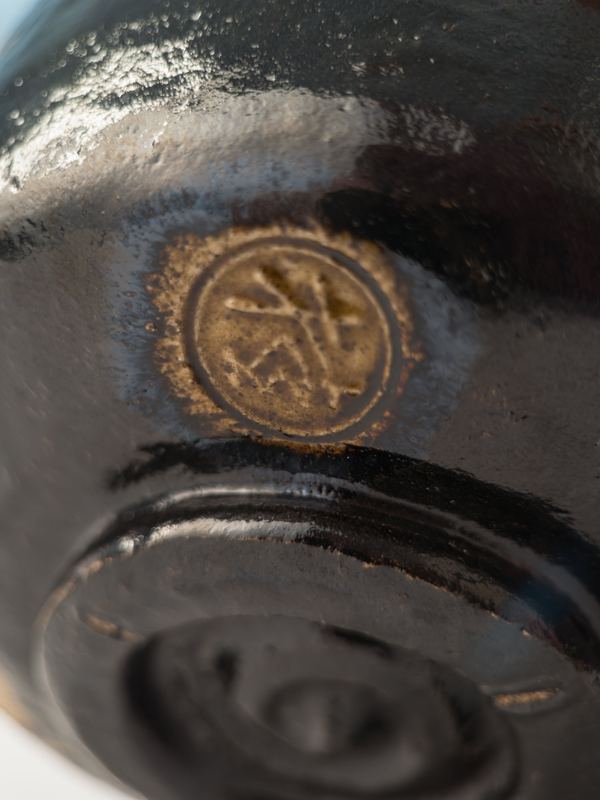
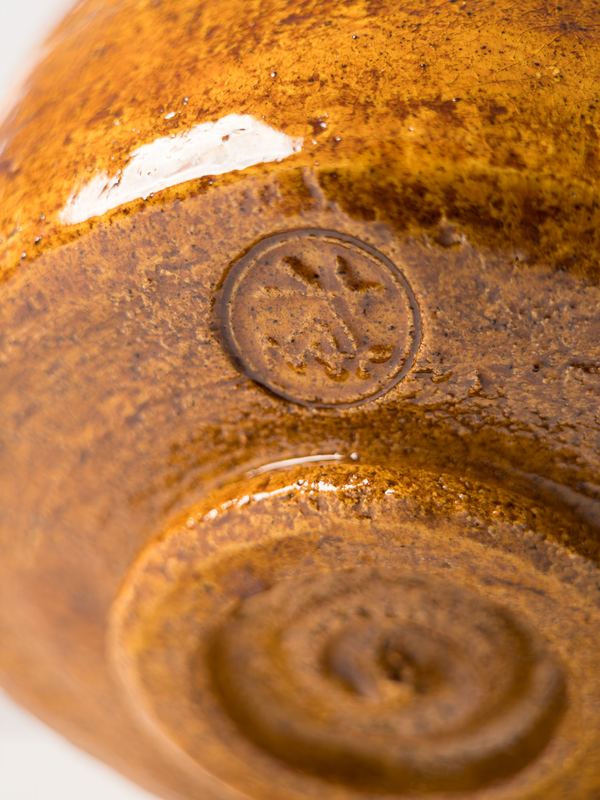
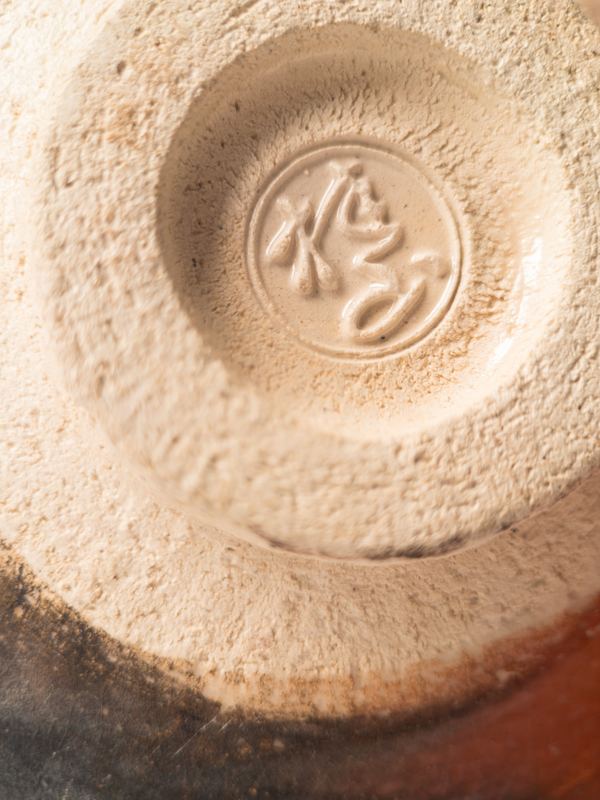
Each of the ten has a Katsura-gama seal pressed into the clay at its foot, inside the foot ring or just above it; on five of the ten the glaze has run over it.

Katsura-gama workshop, under the direction of Rumi Higaki

Made
Nishikyō-ku, Kyoto
Box
Paulownia, inscribed by Rumi Higaki
Price
330 €, including German VAT
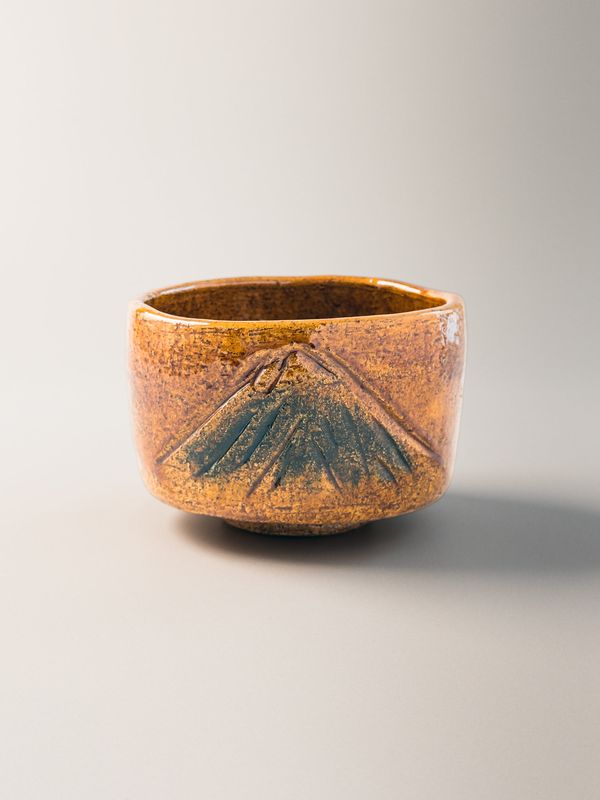
Mt. Fuji: an amber Raku tea bowl with Mt. Fuji carved into its wall
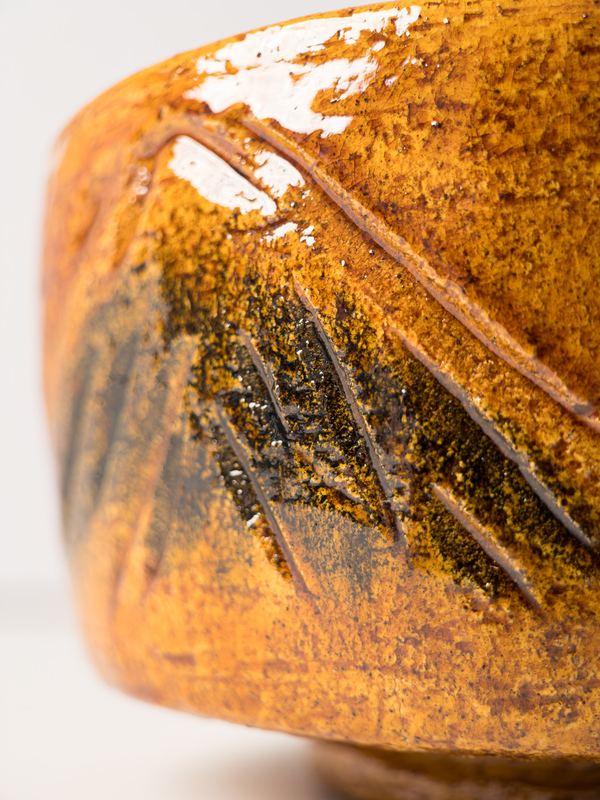
Mt. Fuji: close-up of the wall
Close-up
Mt. Fuji: the foot, with the Katsura-gama seal
The foot, with the seal
No. 1

Mt. FujiSold

Katsura-gama workshop, under the direction of Rumi Higaki

Amber glaze, carved in the form of Mt. Fuji.

In Japan the luckiest thing to see in your first dream of the year is Mt. Fuji; a hawk comes second, an aubergine third. So the bowl suits New Year.

Season
New Year · any season
Made
Nishikyō-ku, Kyoto
Box
Paulownia, inscribed by Rumi Higaki
Price
330 €, including German VAT

Questions about this bowl: info@kissabo.com
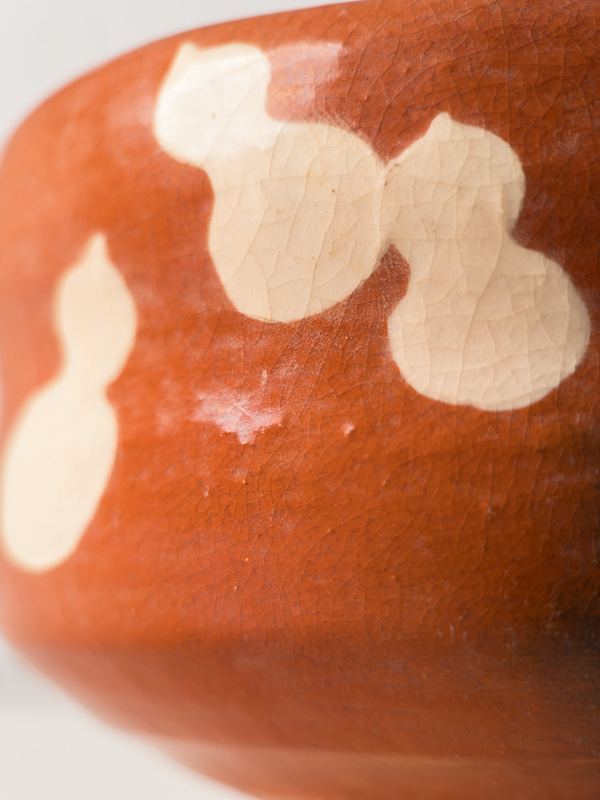
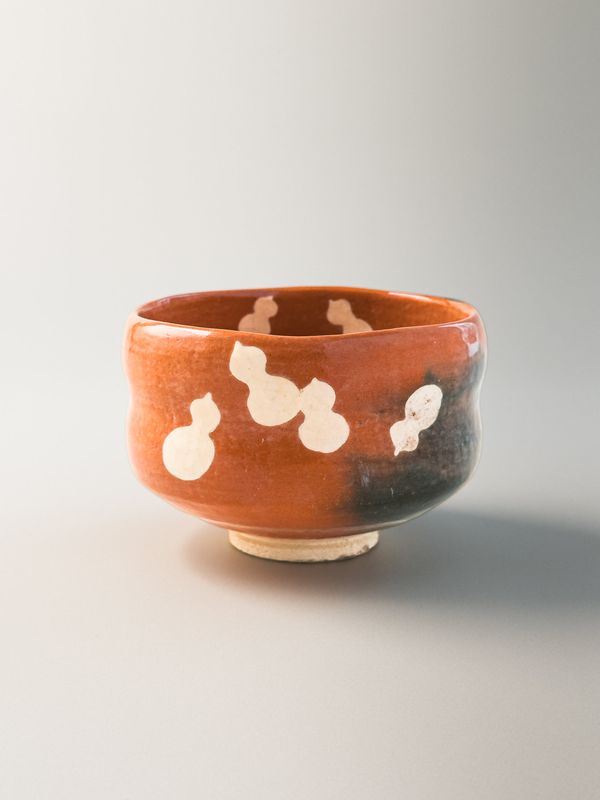
Six Gourds: a red Raku tea bowl with white gourds painted on the outside and just inside the rim
Six Gourds: close-up of the wall
Close-up
Six Gourds: the foot, with the Katsura-gama seal
The foot, with the seal
No. 2

Six GourdsSold

Katsura-gama workshop, under the direction of Rumi Higaki

An auspicious motif: “six gourds” (mubyō) echoes the Japanese word for good health.

Early in November, tea rooms change over to the hearth set into the floor for the cold months, and a gourd is one of the customary things at the first gathering around it.

Season
November · any season
Made
Nishikyō-ku, Kyoto
Box
Paulownia, inscribed by Rumi Higaki
Price
330 €, including German VAT

Questions about this bowl: info@kissabo.com
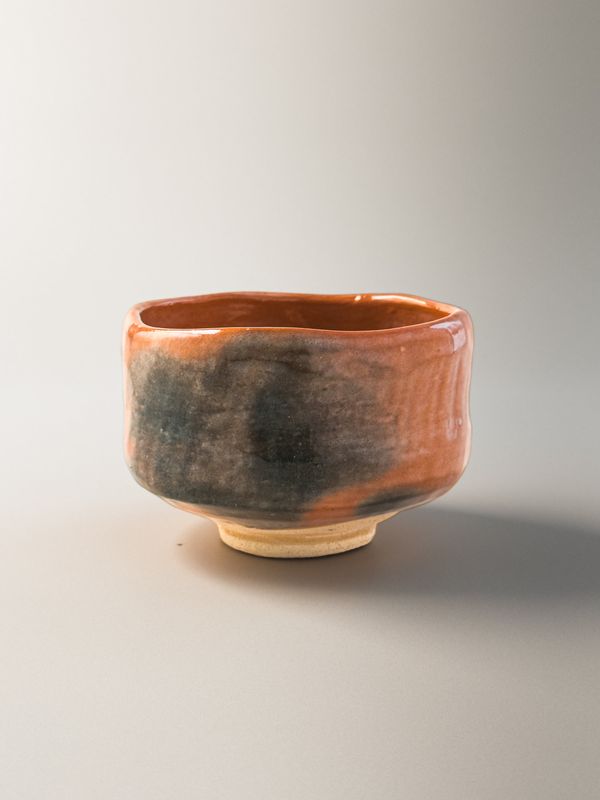
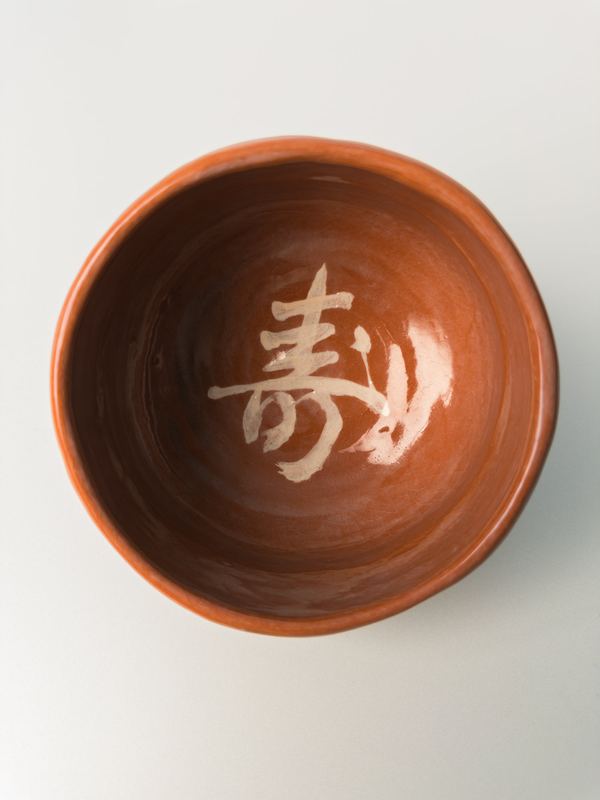
Red Longevity: a red Raku tea bowl with smoky black patches; a white character is painted inside
Red Longevity: the character inside, from above
Inside, from above
Red Longevity: the foot, with the Katsura-gama seal
The foot, with the seal
No. 3

Red LongevitySold

Katsura-gama workshop, under the direction of Rumi Higaki

The character for longevity is painted in the centre of the bowl.

The character inside also means congratulations. It is a bowl for the first tea of the year, and for celebrations at any time.

Season
New Year · celebrations
Made
Nishikyō-ku, Kyoto
Box
Paulownia, inscribed by Rumi Higaki
Price
330 €, including German VAT

Questions about this bowl: info@kissabo.com
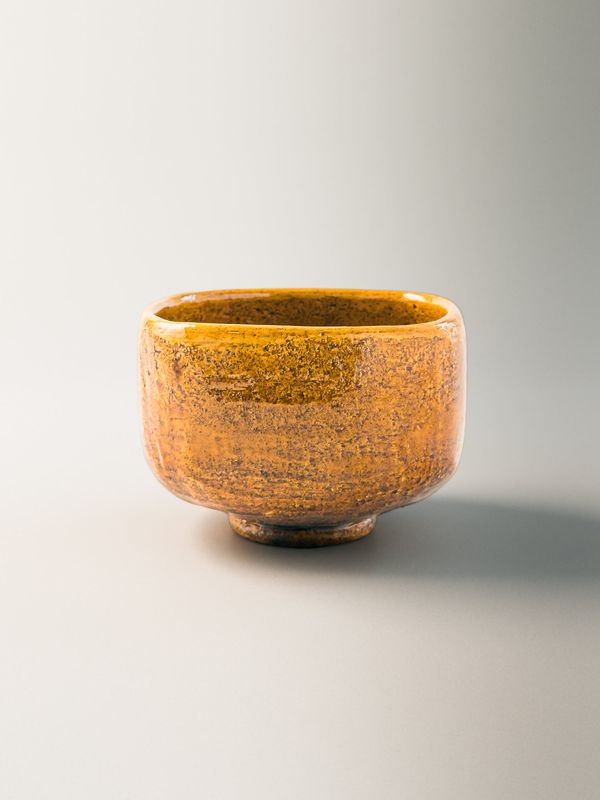
Amber-glazed: an amber-glazed Raku tea bowl with straight, pared walls
Amber-glazed: close-up of the wall
Close-up
Amber-glazed: the foot, with the Katsura-gama seal
The foot, with the seal
No. 4

Amber-glazedSold

Katsura-gama workshop, under the direction of Rumi Higaki

In tea, deep bowls tend to be kept for winter, because they hold the warmth, and shallow ones for summer. This one is in between.

Season
Any season
Made
Nishikyō-ku, Kyoto
Box
Paulownia, inscribed by Rumi Higaki
Price
330 €, including German VAT

Questions about this bowl: info@kissabo.com
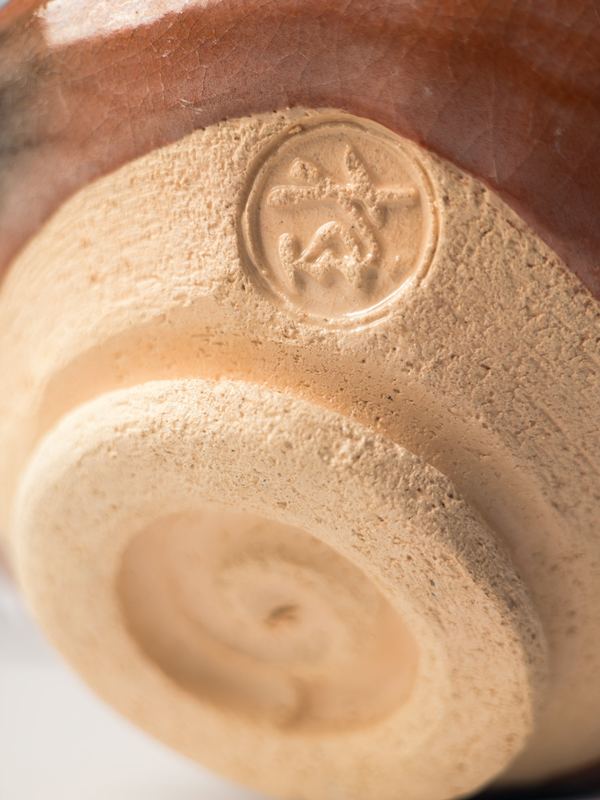
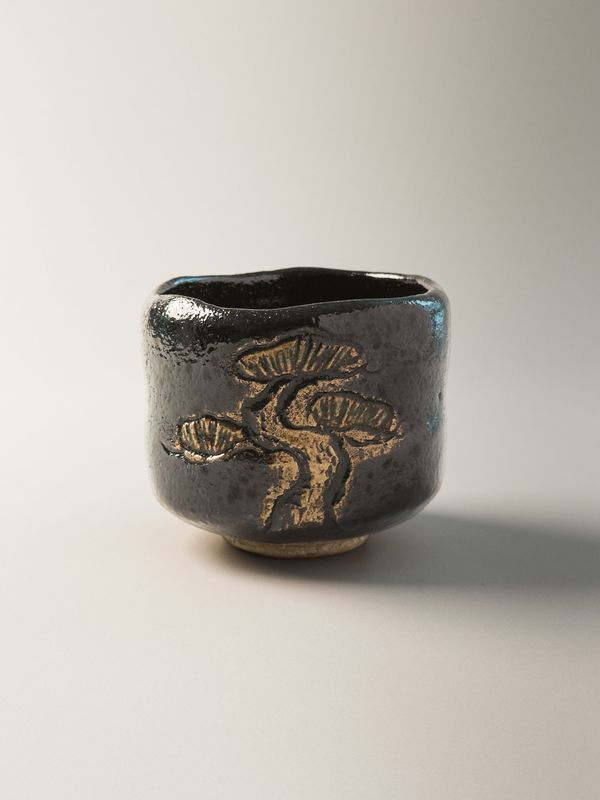
Old Pine Black: a black Raku tea bowl with an old pine carved in outline
Old Pine Black: close-up of the wall
Close-up
Old Pine Black: the foot, with the Katsura-gama seal
The foot, with the seal
No. 5

Old Pine BlackSold

Katsura-gama workshop, under the direction of Rumi Higaki

An ancient pine that has endured through the years symbolizing longevity and prosperity.

Pine stays green all year, and at New Year Japanese homes set pine by the front gate.

Season
New Year · any season
Made
Nishikyō-ku, Kyoto
Box
Paulownia, inscribed by Rumi Higaki
Price
330 €, including German VAT

Questions about this bowl: info@kissabo.com
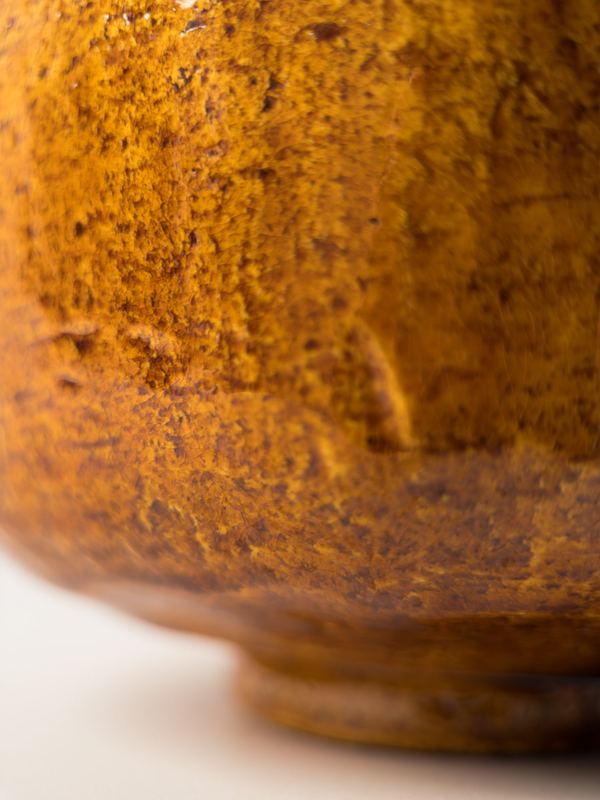
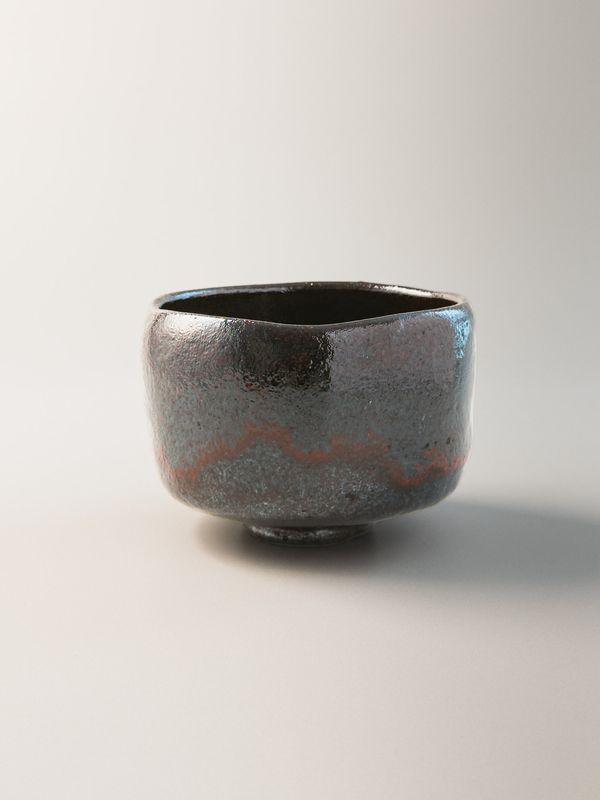
Vermilion-glazed: a dark Raku tea bowl with a wavy vermilion band low on the wall
Vermilion-glazed: close-up of the wall
Close-up
Vermilion-glazed: the foot, with the Katsura-gama seal
The foot, with the seal
No. 6

Vermilion-glazedSold

Katsura-gama workshop, under the direction of Rumi Higaki

Season
Any season
Made
Nishikyō-ku, Kyoto
Box
Paulownia, inscribed by Rumi Higaki
Price
330 €, including German VAT

Questions about this bowl: info@kissabo.com
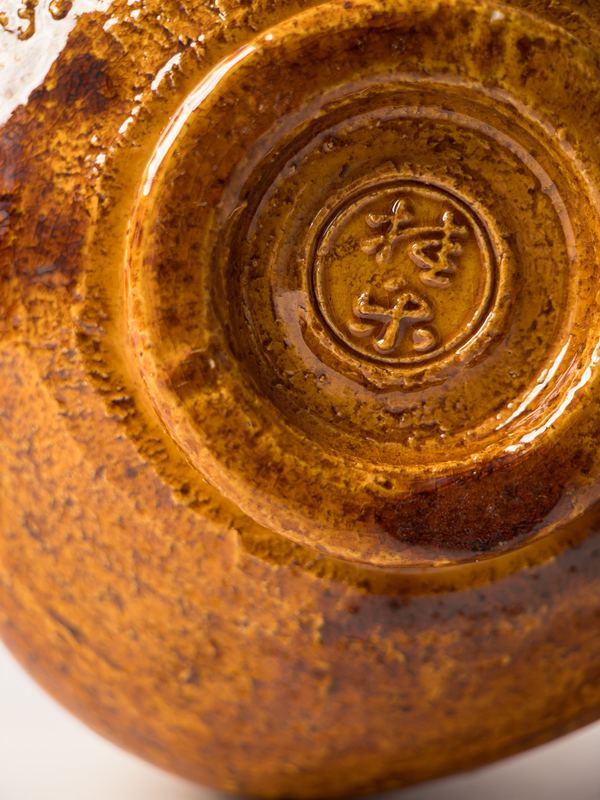
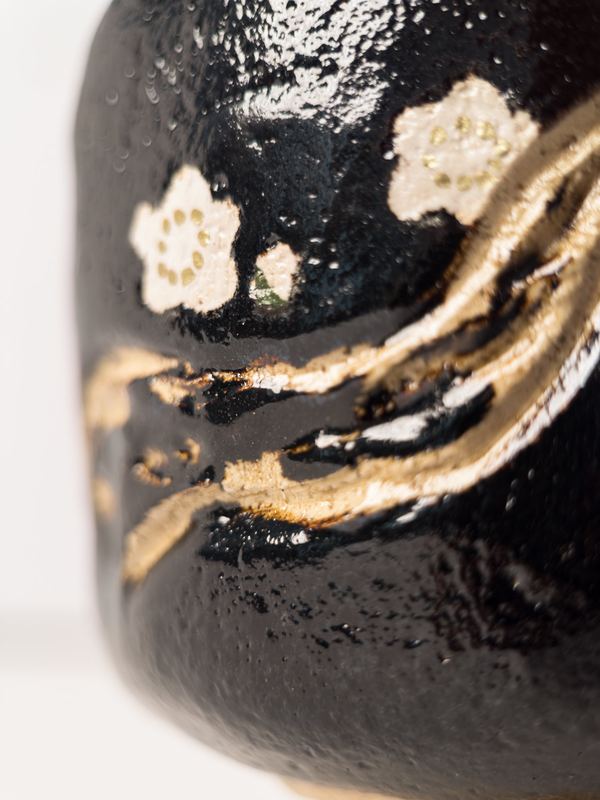
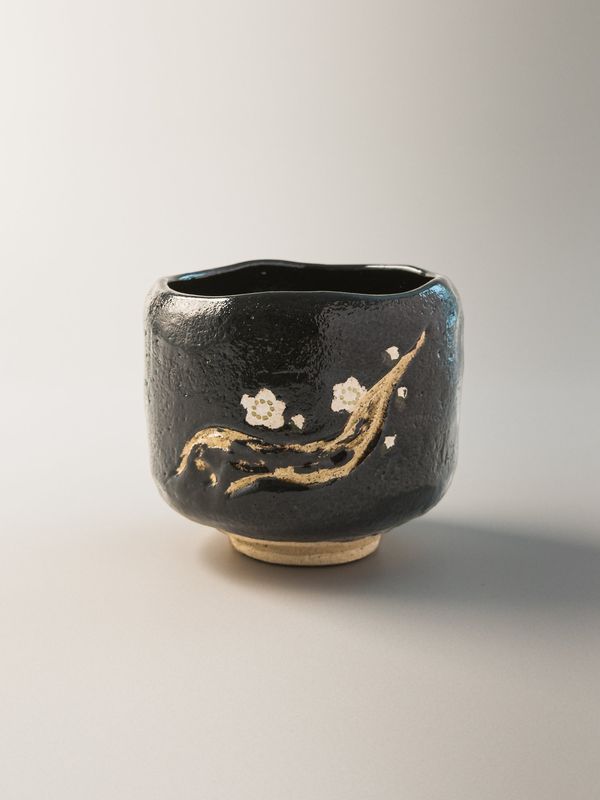
Plum Blossom: a black Raku tea bowl with a pale branch of white plum blossom
Plum Blossom: close-up of the wall
Close-up
Plum Blossom: the foot, with the Katsura-gama seal
The foot, with the seal
No. 7

Plum BlossomSold

Katsura-gama workshop, under the direction of Rumi Higaki

In Japan plum is called the first of all flowers, because it opens in the cold before the others. In tea, plum designs are used from New Year until about March.

Season
January–March
Made
Nishikyō-ku, Kyoto
Box
Paulownia, inscribed by Rumi Higaki
Price
330 €, including German VAT

Questions about this bowl: info@kissabo.com
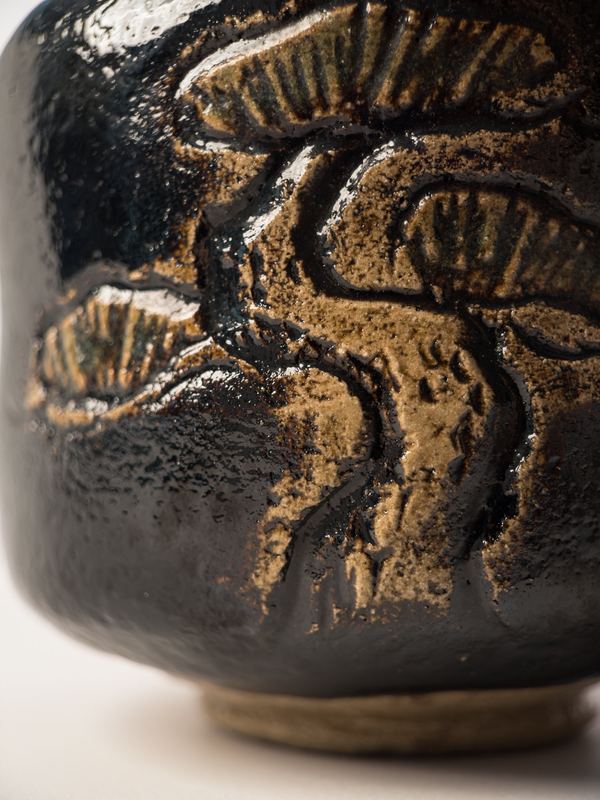
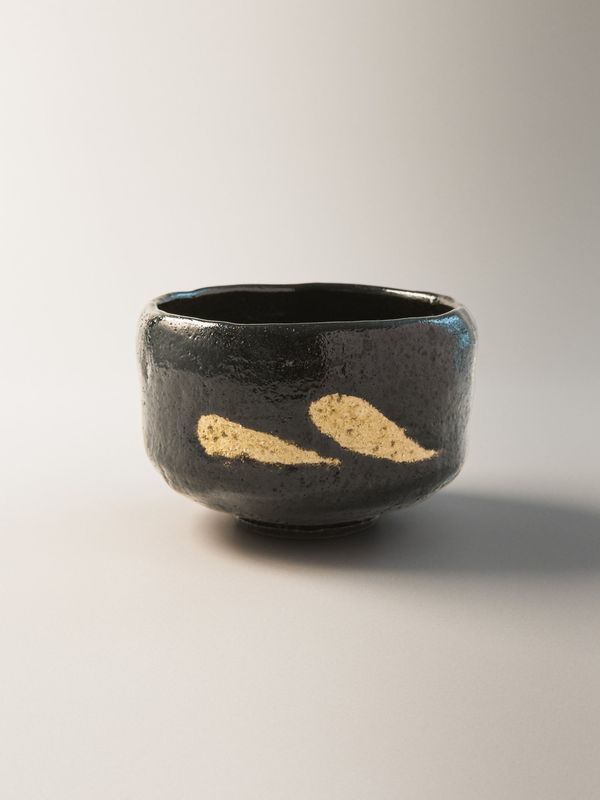
Bamboo Leaf: a black Raku tea bowl with two sand-coloured leaf shapes low on one side
Bamboo Leaf: close-up of the wall
Close-up
Bamboo Leaf: the foot, with the Katsura-gama seal
The foot, with the seal
No. 8

Bamboo LeafSold

Katsura-gama workshop, under the direction of Rumi Higaki

Season
Any season
Made
Nishikyō-ku, Kyoto
Box
Paulownia, inscribed by Rumi Higaki
Price
330 €, including German VAT

Questions about this bowl: info@kissabo.com
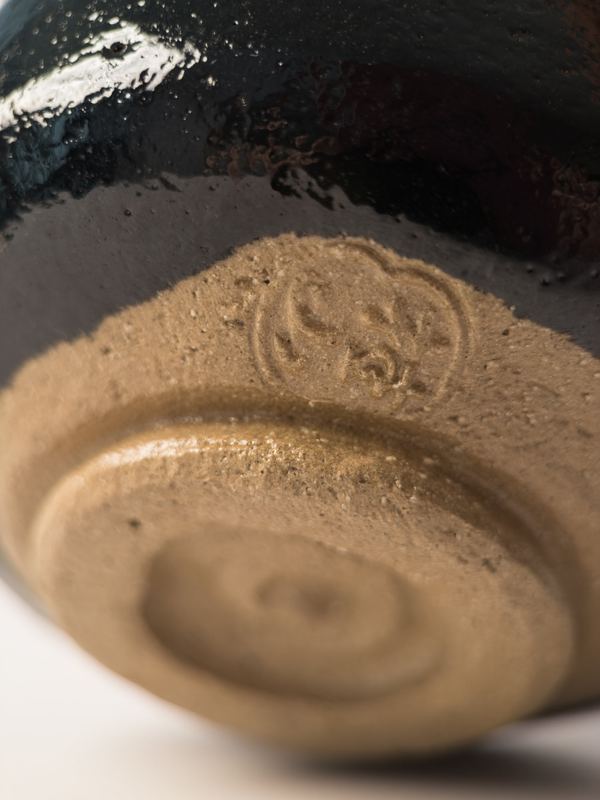
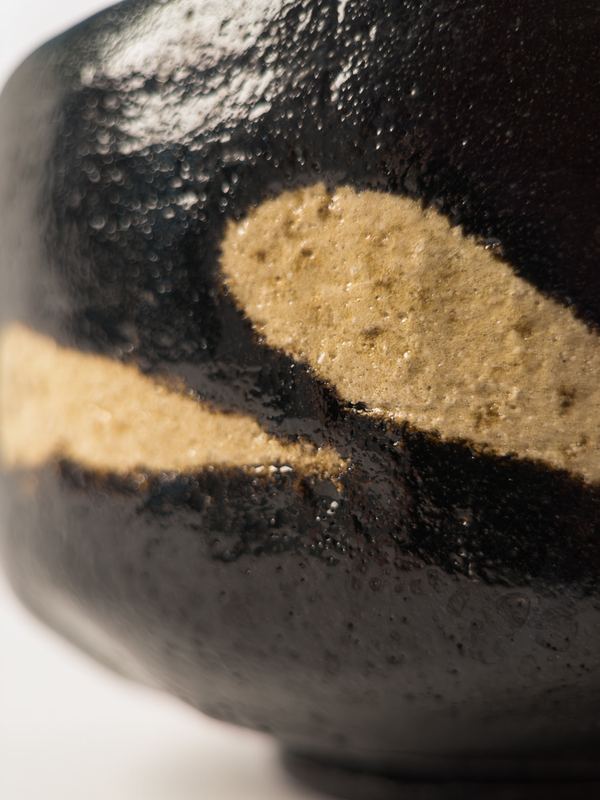
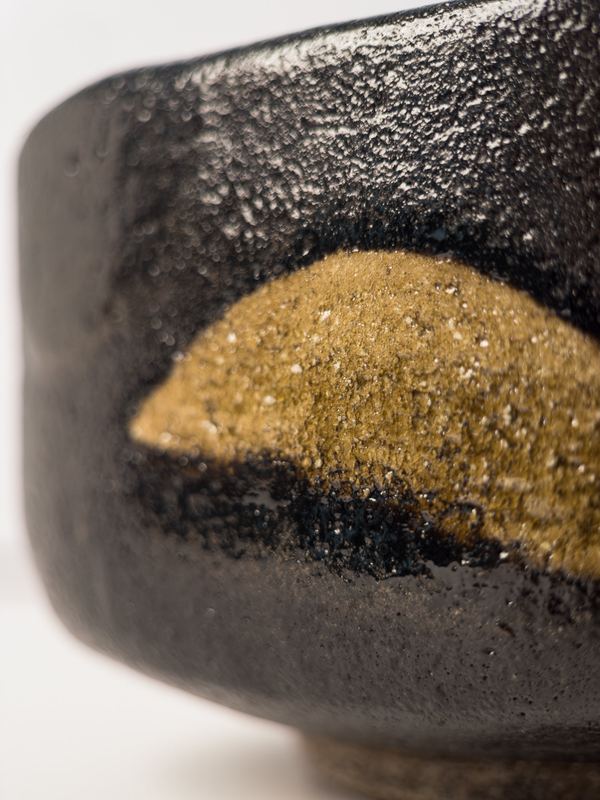
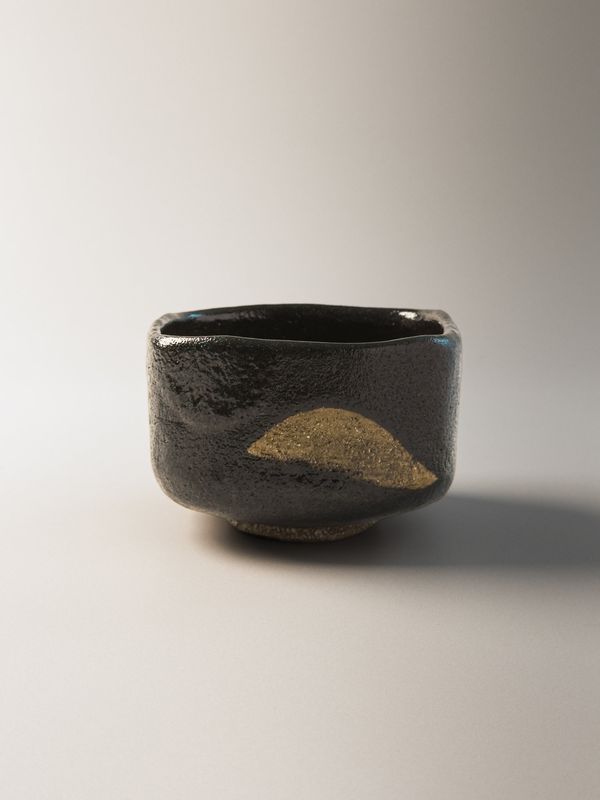
Masu: a black Raku tea bowl with a rounded-square mouth and a yellow mountain shape low on one side
Masu: close-up of the wall
Close-up
Masu: the foot, with the Katsura-gama seal
The foot, with the seal
No. 9

MasuSold

Katsura-gama workshop, under the direction of Rumi Higaki

Masu is also the name of a black Raku bowl by Dōnyū (1599–1656), the third head of the Raku family, named for its rounded-square shape, like the box used to measure rice. Low on one side it has a yellow patch shaped like a mountain.

Season
Any season
Made
Nishikyō-ku, Kyoto
Box
Paulownia, inscribed by Rumi Higaki
Price
330 €, including German VAT

Questions about this bowl: info@kissabo.com
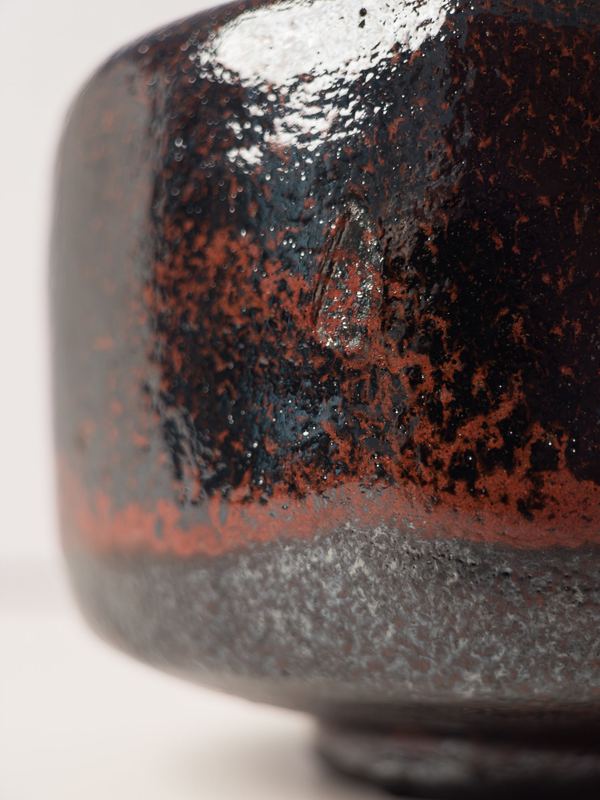
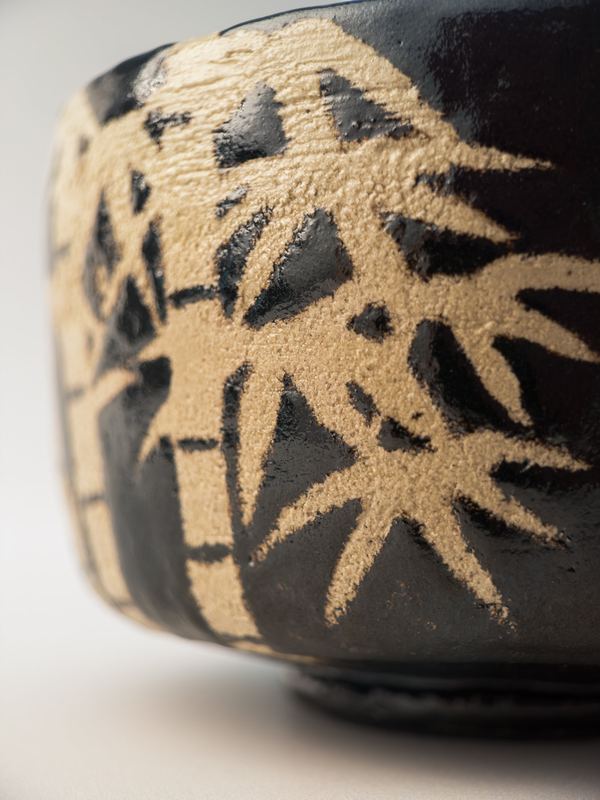
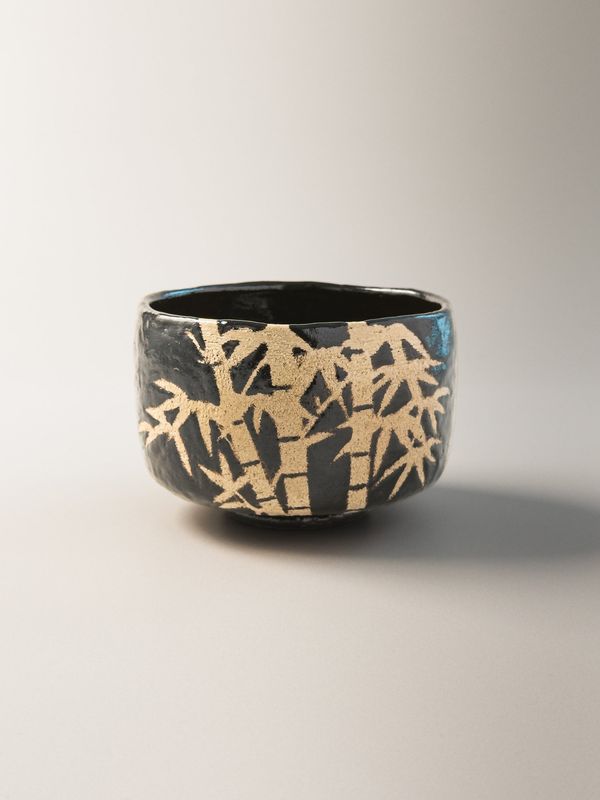
Bamboo Forest: a black Raku tea bowl with pale bamboo stems and leaves all round
Bamboo Forest: close-up of the wall
Close-up
Bamboo Forest: the foot, with the Katsura-gama seal
The foot, with the seal
No. 10

Bamboo ForestSold

Katsura-gama workshop, under the direction of Rumi Higaki

Tea hosts use bamboo in summer, for the sound of the wind in it, and in winter, drawn under snow.

Season
Any season
Made
Nishikyō-ku, Kyoto
Box
Paulownia, inscribed by Rumi Higaki
Price
330 €, including German VAT

Questions about this bowl: info@kissabo.com
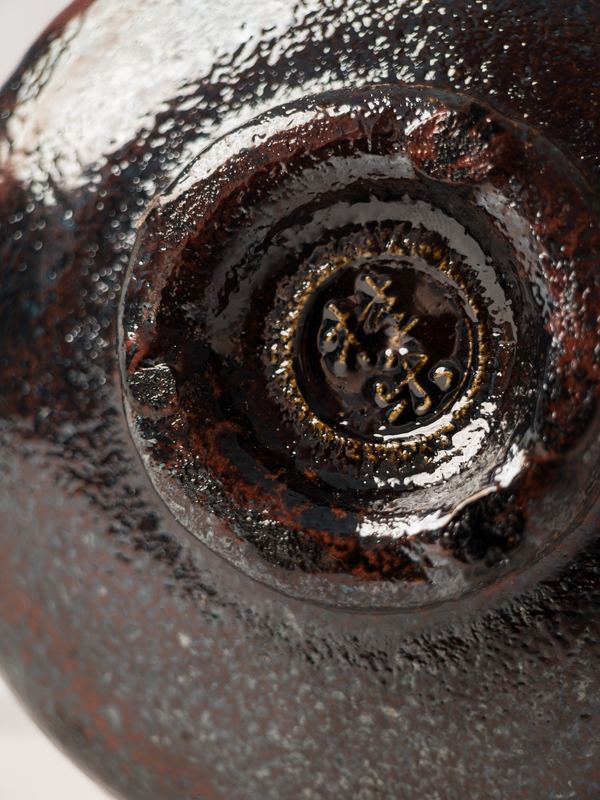
The box

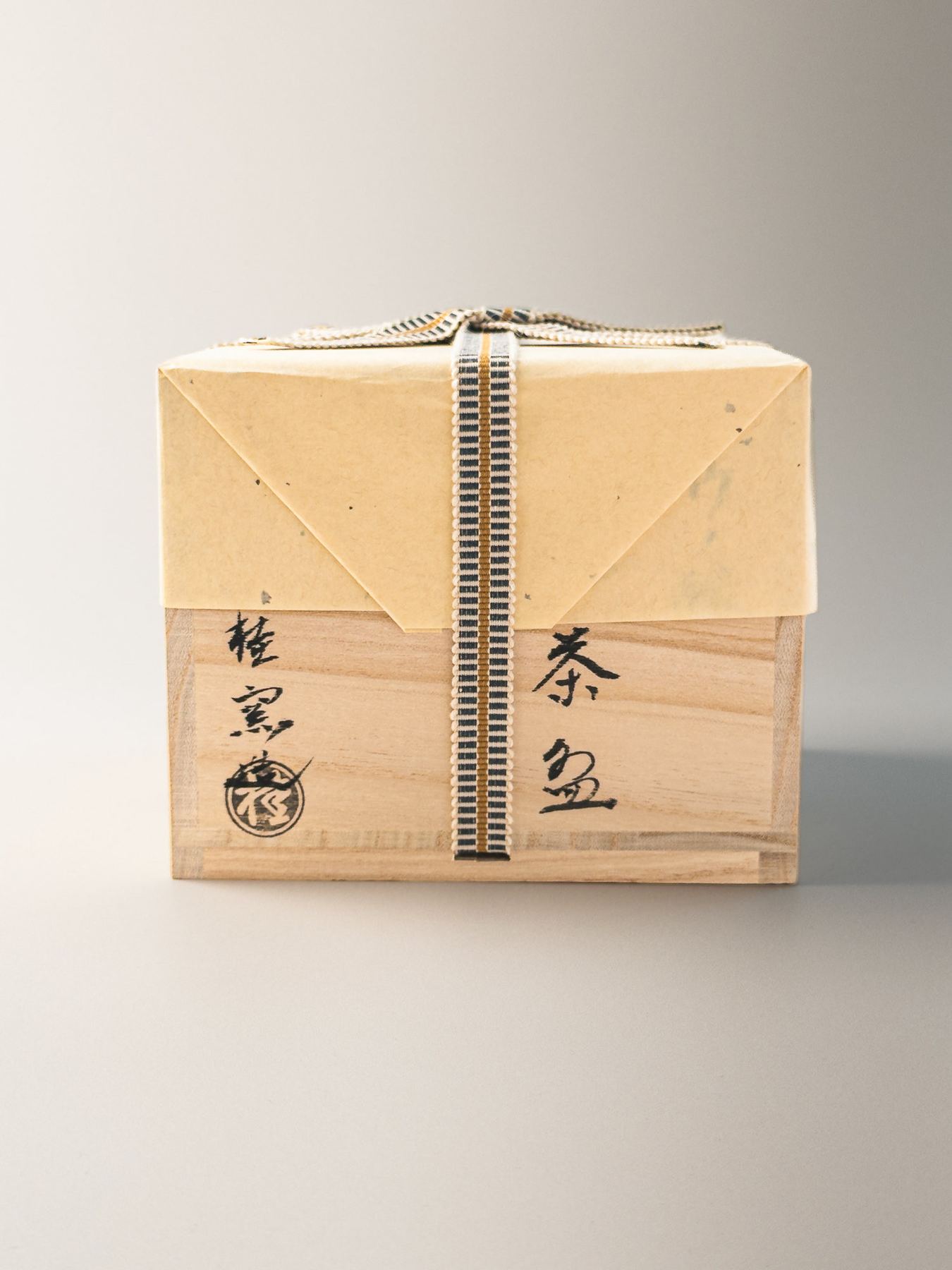
Each bowl comes in its own paulownia box, the tomobako, with Rumi Higaki’s brush inscription and the kiln’s seal in ink.

The kiln’s card, Care Instructions for Raku Tea Bowls, comes with the bowls. It reads:

  • No dishwasher
  • No detergent
  • No juice / acidic drinks

Questions about a bowl: info@kissabo.com.

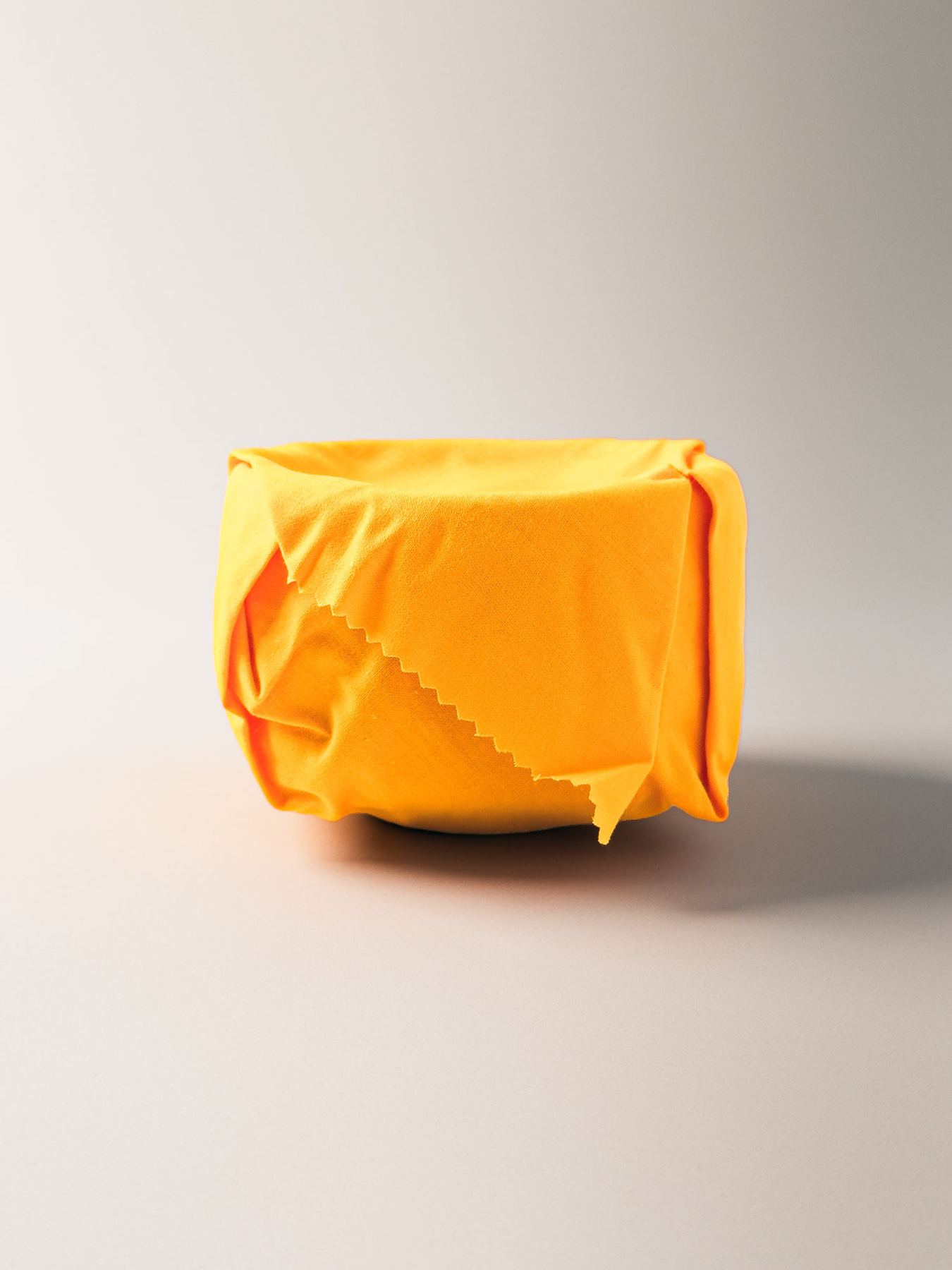
A paulownia box tied with a flat cord, its side written in ink: 桂窯造 and 茶盌 A tea bowl wrapped in orange cloth
LeftThe box, tied as it came from the kiln. In Rumi Higaki’s hand: 茶盌, tea bowl, and 桂窯造, made at Katsura-gama. RightInside, each bowl is wrapped in cloth.
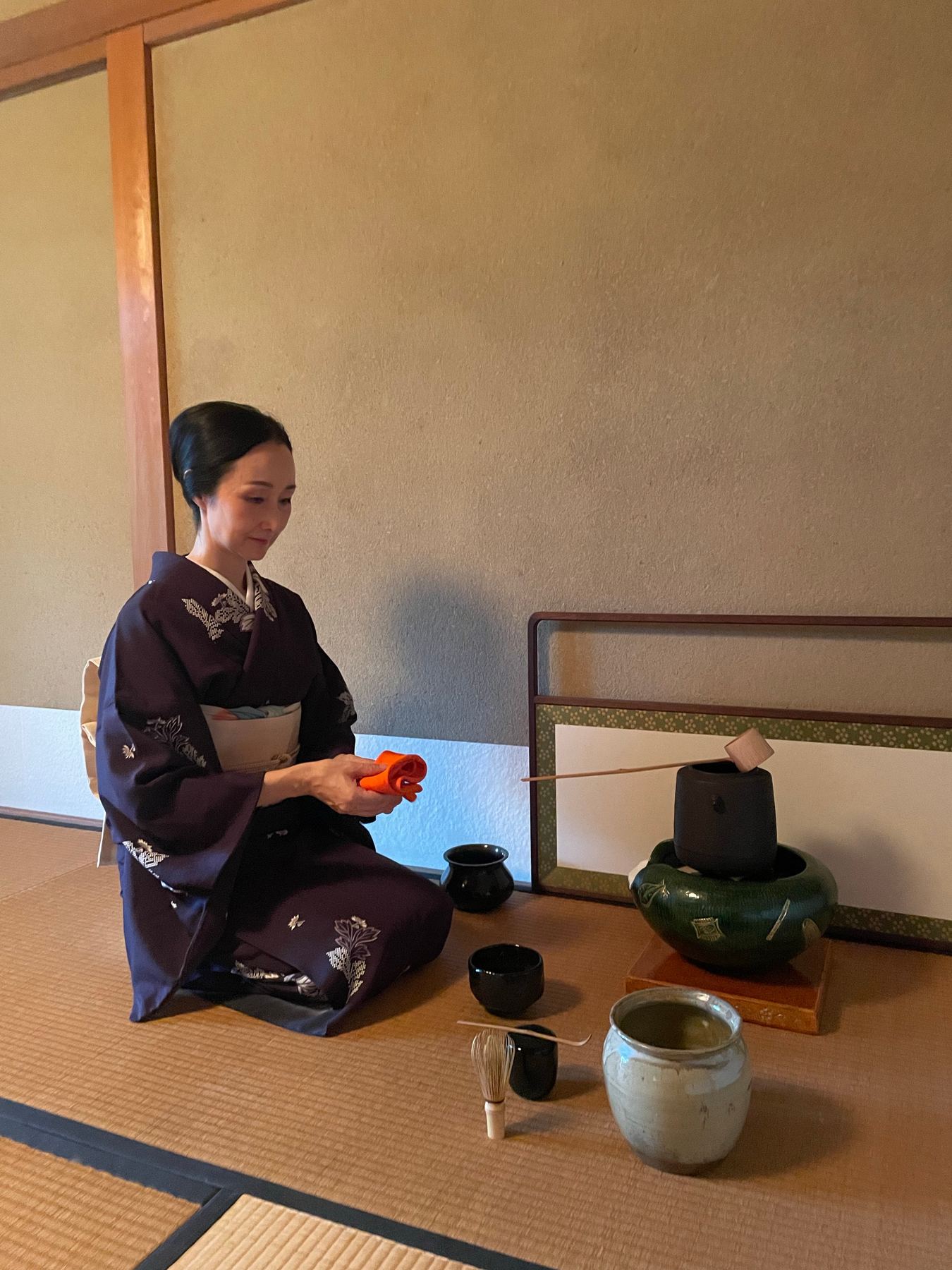
Rumi Higaki in kimono, kneeling in the tea room at Katsura-gama, a kettle and bowls beside her

Rumi Higaki in the tea room at Katsura-gama

05The first morning

Rumi Higaki

She gives tea gatherings and workshops in Japan and abroad, and asks guests to notice the warmth, texture and weight of the bowl in their hands.

On Sunday 15 November, 10:00–12:00, before we open, there is a Still Hours morning with Rumi Higaki. She is of the family that runs Katsura-gama and directs its workshop; she practises tea in the Urasenke tradition.

She serves the first bowls of tea and talks about the kiln and its bowls, in Japanese with an English translation. The kiln’s Raku bowls are handed round to hold; the tea itself comes in our bowls or ones she brings. Then the tray: the season’s dessert, a wagashi and a pot you steep yourself. Guests of the morning have first choice of the kiln’s bowls: they can buy before the exhibition opens to everyone at 14:00. Ten seats, 49 €.

49 €Sun · 10:00–12:0010 seats

Hold a seat →

Photographs of the bowls, the box and the cloth: Kissabō · photographs and videos of the kiln and Rumi Higaki: Katsura-gama · @katuragama